Best Sealer for Cedar Fence
The phrase "sealer for cedar fence" trips up a lot of homeowners, because the hardware-store "sealer" aisle is mostly water repellents that do not protect cedar from sunlight. And sunlight, not moisture, is what turns a fresh cedar fence gray. The best sealer for cedar fence work is an oil-based, penetrating stain-sealer that handles water, UV, and tannin bleed in one product. Wood Defender's Clear Glow is what I keep in the truck for cedar sealing work, and Ready Seal's clear-tinted "Natural" is what I'd recommend for anyone who wants the same result from a different brand. Both are technically transparent stains sold as sealers.
If you want the broader comparison across oil-based fence stains, see our main best oil based fence stain guide. This post is specifically about sealing cedar, keeping it looking like cedar, not turning it into a different color.
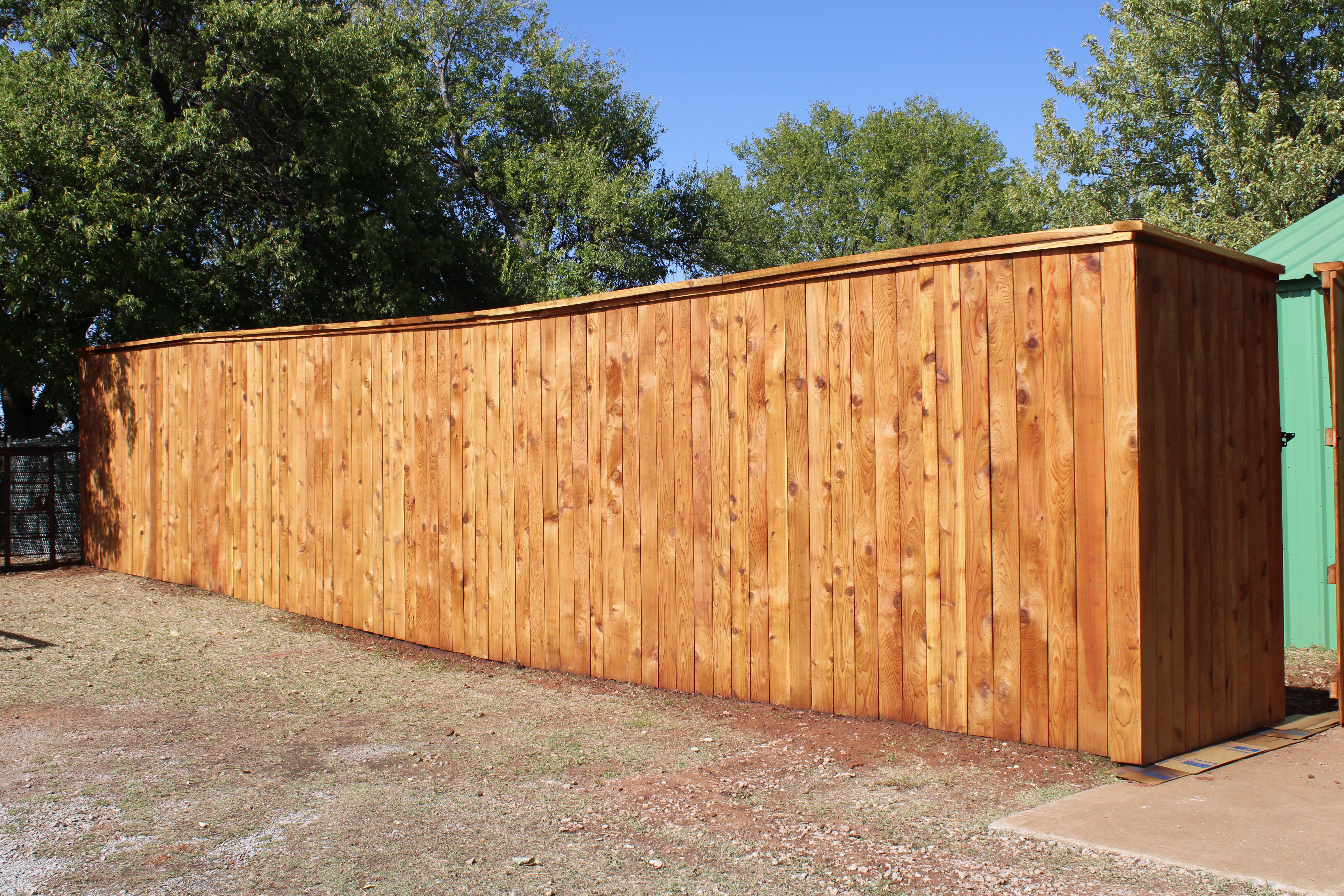
A cedar fence sealed with Wood Defender Clear Glow. UV-blocked, water-shedding, still reading as cedar.
Top Picks for Cedar
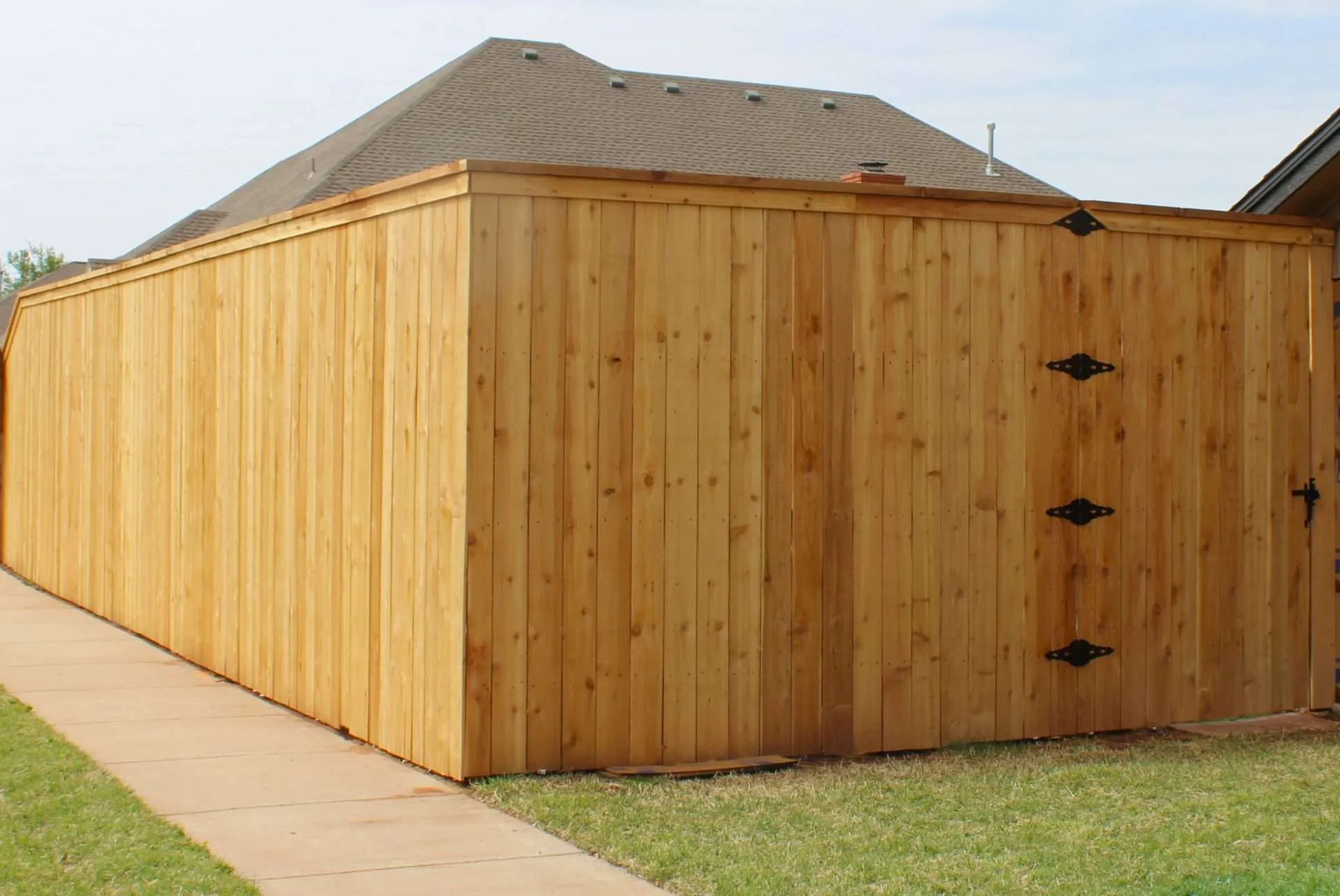
Best Clear-Look Sealer: Wood Defender Clear Glow
Wood Defender: Clear Glow
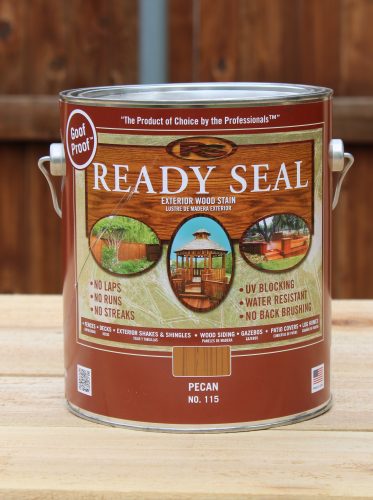
Best Natural-Cedar Preserving Sealer: Ready Seal Natural
Ready Seal: Natural Cedar
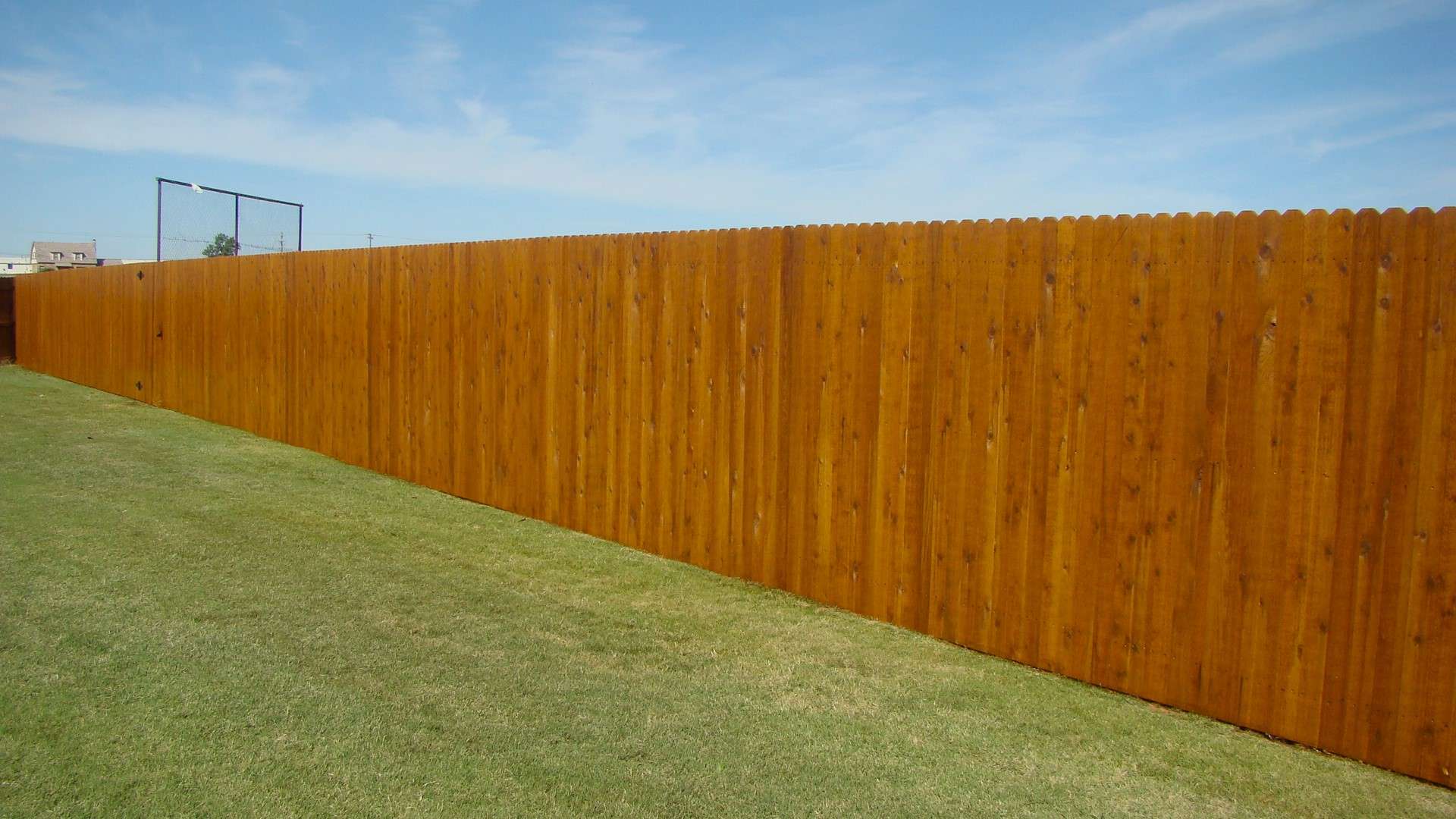
Best Color-Locking Sealer for New Cedar: Wood Defender Cedar Tone
Wood Defender: Cedar Tone
What a Cedar Fence Sealer Actually Needs to Do
Three jobs, in order of what will destroy an unsealed cedar fence fastest:
1. Block UV Radiation
Ive heard this may times from homeowners. "I put a sealer on my cedar fence and it's still turning gray after a year or so!" The truth is, UV is the #1 killer of cedar's color. Untreated cedar turns silver-gray in 6–12 months, and that graying is almost entirely a sun-damage process, not a moisture process.
A cedar sealer must contain UV absorbers usually iron oxide pigments in a transparent oil base. This is why "clear" sealers with zero pigment (like Thompson's WaterSeal Clear) do not prevent graying. There has to be some pigment to block UV, even if the tint is so light it reads "clear" on the wood.
2. Repel Water
Cedar is naturally rot-resistant, but only until the natural oils leach out (typically by year 2–3). After that, water penetration accelerates rot from the bottom up. A cedar sealer replaces the natural oils with engineered ones that drive water off the surface.
3. Penetrate Without Forming a Film
Same reason a stain fails on cedar: cedar breathes, and any sealer that forms a surface skin will crack within 18 months. Penetrating sealers cure inside the wood. When they wear, they wear thin instead of not peeling. This means you don't have to strip all the failing sealer off when you restain your fence in the future.
Why Most "Clear Sealers" Fail on Cedar
If you walk into a big-box store and ask for a cedar fence sealer, the product you'll get handed is almost always Thompson's WaterSeal or something similar. I have yet to see Thompson's WaterSeal keep a cedar fence from graying through one Oklahoma summer.
Here's why:
- No UV pigment. True clear sealers rely on the wood's natural tannins for UV resistance. Cedar's tannins are consumed by sunlight within a year.
- Short recoat window. Water-based clear sealers often need recoating annually. Oil-based tinted sealers go 2–3 years on cedar.
- Confusing label language. "Sealer" on a can rarely means "UV-blocking sealer." Read the label for specific UV-protection claims.
For the full breakdown, see our Thompson's WaterSeal stain review.
Wood Defender Clear Glow: The Wood Pigmented Clear Sealer
If you genuinely want a cedar fence to stay as close to freshly-installed cedar color as possible, Wood Defender's Clear Glow is the only product in this category I recommend. It gives the wood a bit of a "wet look" after it is applied.
- Dispersed pigment, not tinted-clear. Has just enough UV-absorbing pigment to block graying without dramatically changing the wood's color.
- Oil-based, penetrating. Does not film.
- Application is simple. Standard pump-sprayer is all you need. See our Wood Defender Clear Glow write-up.
- Recoat window: 2–3 years in my climate. Longer in shaded installations.
The tradeoff: cedar does naturally darken over time even with Clear Glow. A "clear" finish does not mean "frozen in time." It means "cedar-looking for longer."
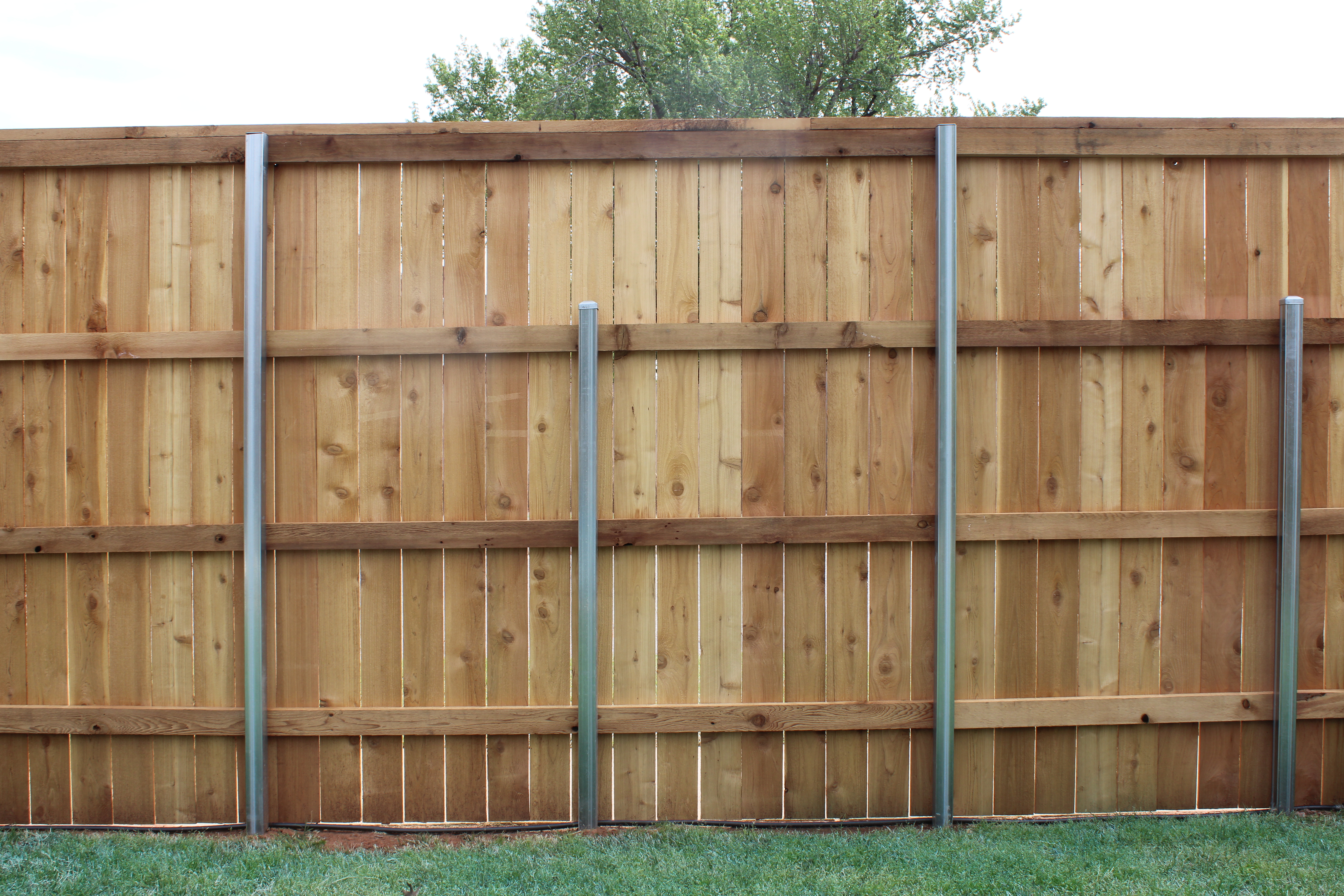
Before: untreated cedar showing early gray cast and tannin streaks.
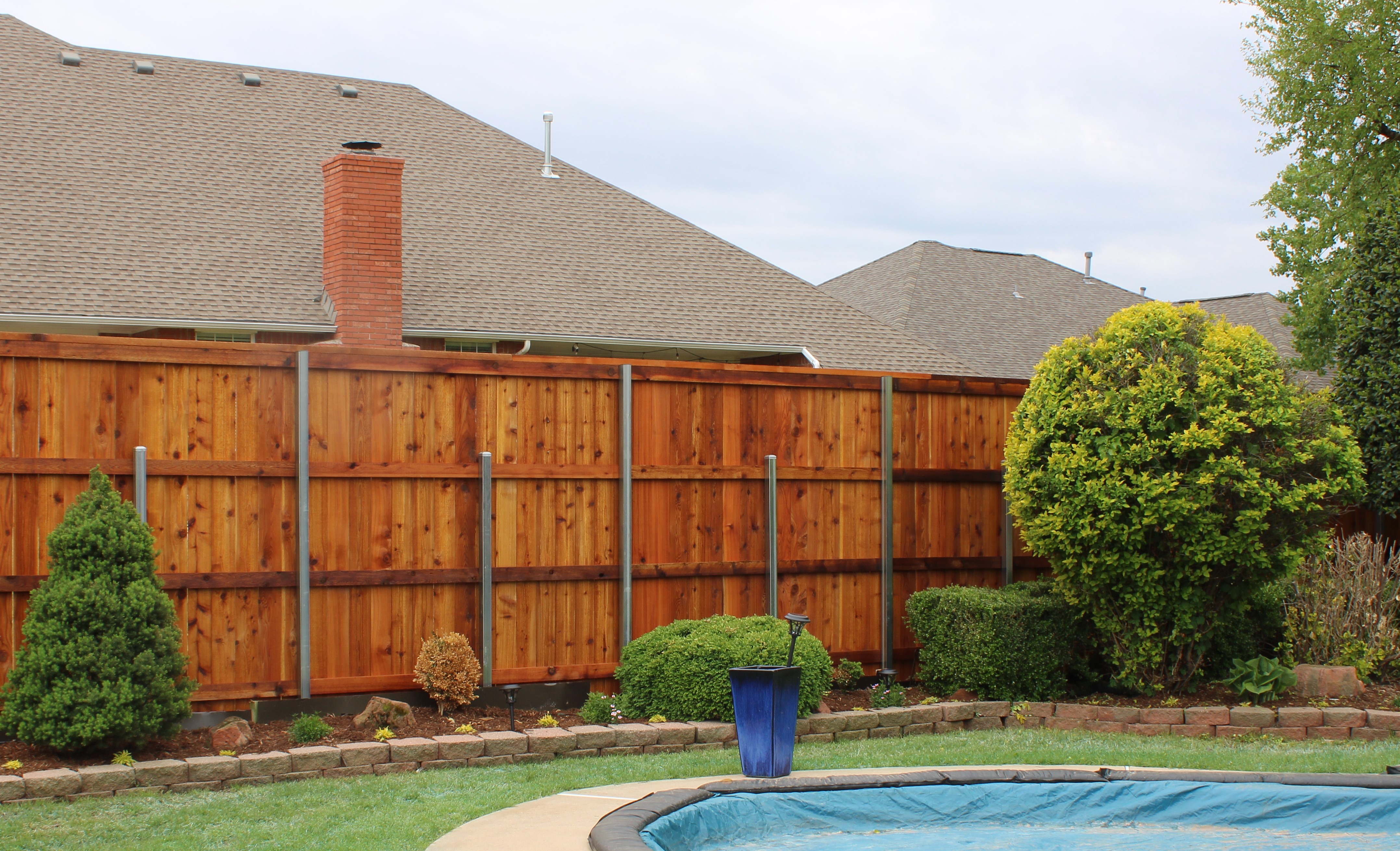
After: same fence, single coat of Clear Glow. Color enhanced, UV protected, no film on the surface.
Ready Seal Natural: The Honest Clear
Ready Seal's Natural Cedar is technically a very lightly tinted stain, but it's the closest thing to a clear sealer in the same category as Clear Glow. It enhances the color that's already there without changing it to something else.
Honest disclosure: I haven't personally sprayed Ready Seal Natural on a cedar fence. Clear Glow is what I keep in the truck. But Ready Seal has a long track record I trust, the chemistry is the same penetrating, non-filming approach, and the recoat window matches Clear Glow at 2–3 years on cedar. If a homeowner is sourcing locally and Ready Seal is what's on the shelf, I'd grab it without hesitation.
Why I'd recommend it for cedar:
- Long-standing track record on cedar specifically.
- No lap marks or flashing reported. Same penetrating, non-filming chemistry as Clear Glow.
- 2–3 year recoat window matches what I see with Clear Glow.
- Forgiving application reputation. You can stain in full sun without worrying about flash-off.
Full review in Ready Seal stain review.
Wood Defender Cedar Tone: When "Clear" Isn't Enough
If the cedar fence is already 6+ months old and has started to fade, a true clear sealer won't restore the original color. It'll just lock in the current faded state. For cedar in that range, Wood Defender Cedar Tone is a tinted sealer that actively reinforces the cedar color.
- Same penetrating, non-filming behavior as Clear Glow.
- Enough pigment to re-warm cedar that's started to gray.
- Most common pick for fences 1–2 years old.
Full notes: Wood Defender Cedar Tone.
Clear Sealer vs. Transparent Stain: What's the Difference?
On cedar, the honest answer is: not much.
Every product that actually seals cedar has at least some pigment for UV protection. "Clear sealer" and "transparent stain" are marketing terms applied to products with overlapping chemistry. The practical distinction:
| Clear sealer (Clear Glow) | Transparent stain (Natural Cedar) | |
|---|---|---|
| Pigment | Minimal, UV only | Light, color-imparting |
| Visible color change | Very slight | Noticeable warming |
| Recoat window | 2–3 years | 2–3 years |
| Use case | Keep cedar looking unstained | Enhance cedar's natural tone |
Both are doing the same three jobs: UV, water, penetration. Pick based on whether you want the fence to look untouched (clear sealer) or actively enhanced (transparent stain).
What About Two-Step Stain + Sealer Systems?
Some manufacturers sell a stain and a separate topcoat sealer for cedar. I don't recommend this for fences (decks are a separate conversation). Reasons:
- Cost. Two products, two labor passes, roughly twice the material.
- Adhesion risk. The topcoat needs to bond to the stain, not the wood. If the stain fully cures before the topcoat goes on, adhesion fails. Timing is tight.
- Harder Recoats A film-forming topcoat will keep the new stain from penetrating in the future. When it comes time to restain your fence you will need to completely strip off any remaining clear coat first.
On cedar fences specifically, one-coat penetrating stain-sealer is the right economic and technical choice.
How to Apply
Brief version; full walkthrough in how to stain a fence.
- Clean. Even new cedar has mill glaze. See clean fence before staining.
- Dry 48+ hours.
- Spray and back-brush. Back-brushing is critical on cedar. It works the sealer into the grain, which is where the UV and water protection happen.
- One coat is almost always enough with penetrating sealers on cedar. If the wood still absorbs actively after 10 minutes, apply a second thin pass.
A real-world example: my neighbor had a fresh cedar fence installed around her new pool and wanted to keep the natural cedar color, no warming, no graying. I sealed the whole thing in Clear Glow. It held the cedar tone for almost two years before needing a recoat, which is what I expect from a single coat on cedar in Oklahoma weather.
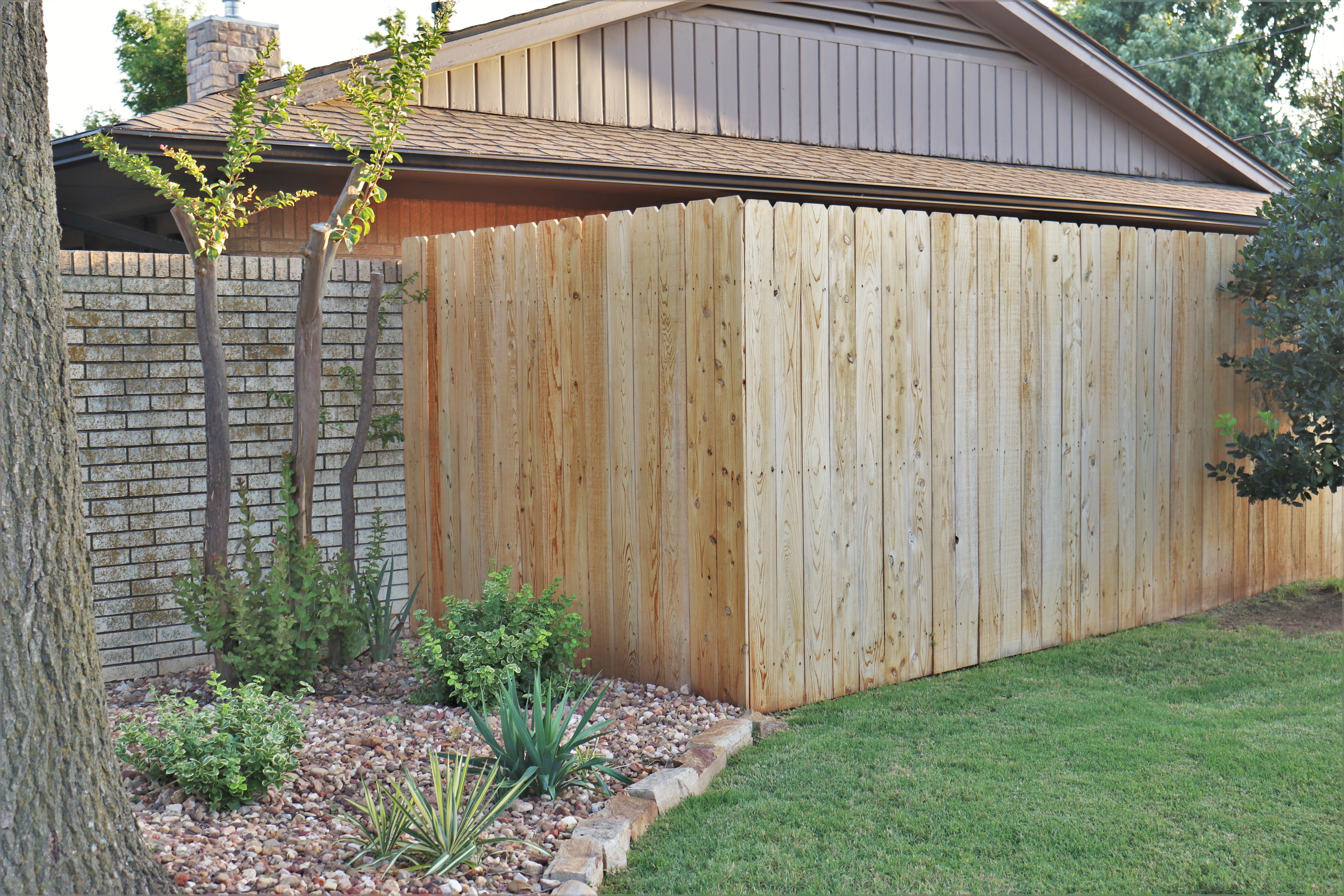
Finished Clear Glow on a cedar fence. Single coat, sprayed and back-brushed.
My Picks
- New cedar, keep it looking new: Wood Defender Clear Glow
- New cedar, slightly warmer cedar tone: Ready Seal Natural Cedar
- Cedar 1+ years old, restore the color: Wood Defender Cedar Tone
For cedar fences that have weathered past the point where a clear sealer will help, a pigmented stain is the better call. See best stain for cedar fence.
For the broader ranking across every sealer and stain I test, the main best oil based fence stain guide goes deeper.
